
Train Your Gut, or It Will Quit Before Your Legs Do
Endurance races often end not because of muscle fatigue but due to digestive distress. Reduced blood flow to the gut during intense runni...
Endurance races often end not because of muscle fatigue but due to digestive distress. Reduced blood flow to the gut during intense runni...

Early speed often returns before planned intensity in training cycles. While faster pace is natural, it should remain controlled to avoid...

Early in a training cycle, running often feels uneven as the body readjusts. Introducing short intervals early helps smooth transitions b...

The initial phase of endurance training often emphasizes steady running, delaying faster efforts until a base is built. However, early in...

Runners often reach a stage where training is consistent but progress feels stagnant. This phase reflects the body’s adaptation process, ...

Distance runners typically train on varied terrain, which affects rhythm and pacing. The track offers a consistent surface and environmen...
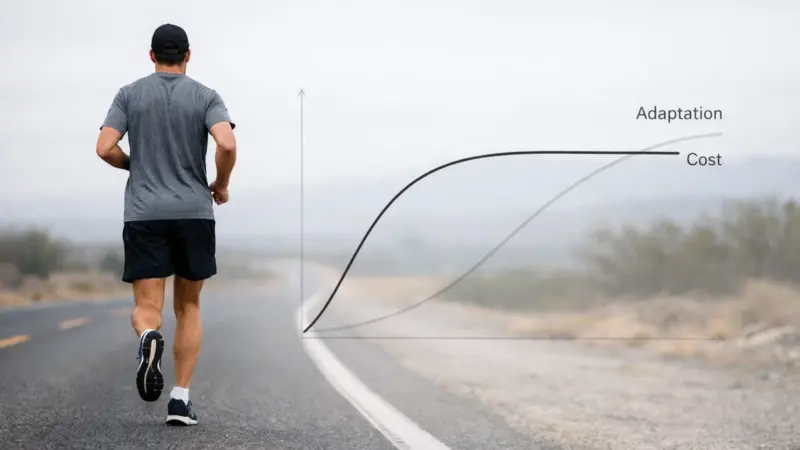
Long runs are fundamental to endurance training, yet their benefits are not limitless. When fatigue surpasses recovery, these runs can hi...

Endurance develops through consistent, slow long runs rather than intense efforts. These runs foster aerobic adaptations and mental skill...
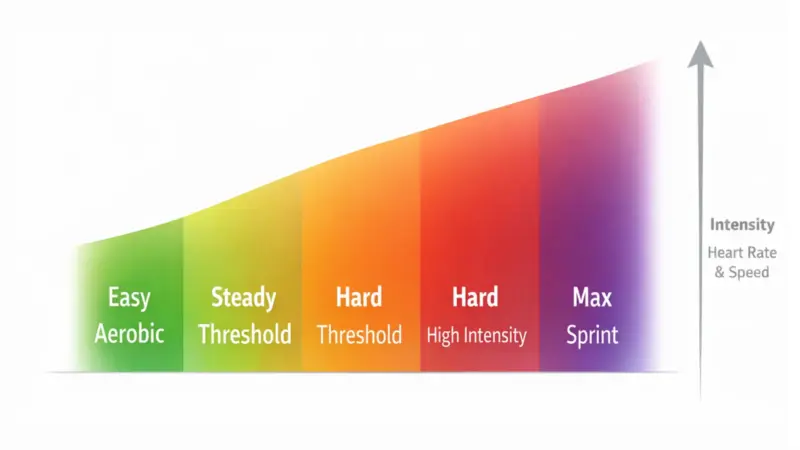
Training zones group physiological effort into categories for easier management. However, treating these zones as strict rules can stall ...
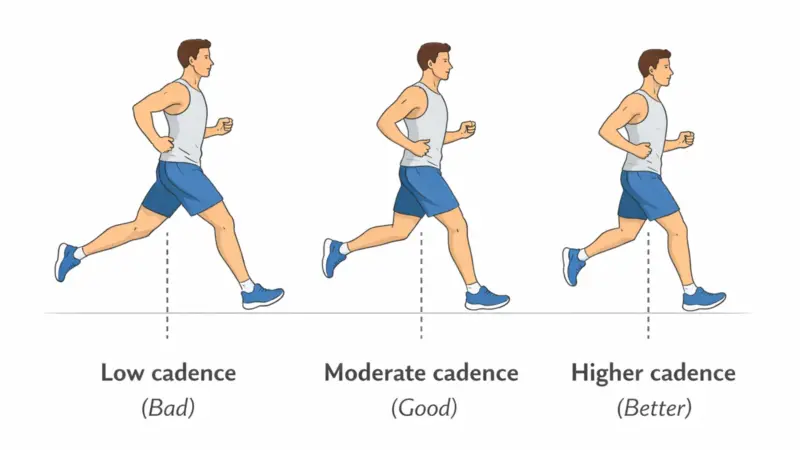
Cadence is often resistant to direct change because it stems from ingrained movement patterns. Rather than forcing a target step rate, im...

Interval training quality depends on preparation before the first rep. A gradual warm up transitions the body from rest to speed, improvi...

Easy runs often begin with a mechanical adjustment period where tendons and muscles adapt to repeated impact. This transition affects str...