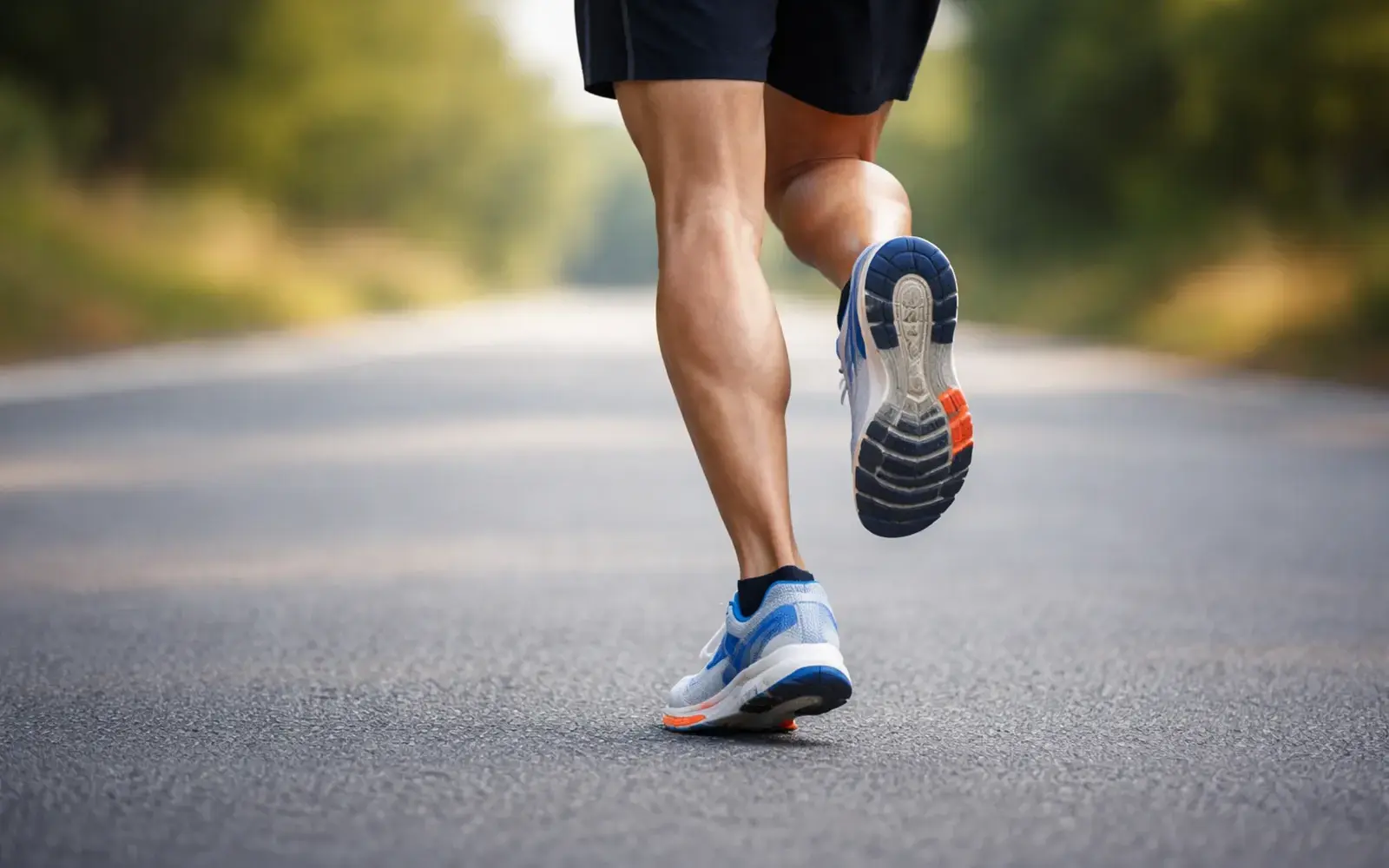
Cadence Basics: Understanding Your Natural Running Rhythm
Cadence is one of the simplest metrics in running — and one of the most misunderstood.
At its core, cadence is just the number of steps you take per minute. Most watches display it automatically. Many runners see the number but rarely think about what it represents.
Yet cadence quietly reflects how you move, how you absorb impact, and how efficiently you transfer energy forward.
Understanding the basics helps you interpret that number correctly — without chasing myths or forcing unnatural changes.
What Cadence Actually Measures
Cadence is measured in steps per minute (SPM). If your watch shows 168 SPM, that means your feet touch the ground 168 times per minute combined.
It does not measure:
- Speed
- Fitness
- Talent
It measures rhythm.
And rhythm influences how your stride unfolds — how long each step is, where your foot lands, and how much time you spend on the ground.
What Is “Normal” Cadence?
There is no universal perfect number.
Many recreational runners naturally fall between 160–175 SPM at easy pace. Competitive runners often sit between 170–185 SPM depending on speed. Cadence generally increases as pace increases.
The often-cited 180 SPM comes from observations of elite runners during races — not from a rule that applies to everyone at every pace.
Instead of asking, “Am I at 180?” a better question is:
Does my cadence support smooth, balanced movement?
Why Cadence Influences Efficiency
Cadence affects how your body handles impact.
When cadence is very low, stride length tends to increase. That often leads to the foot landing farther in front of the body. This creates braking forces — small decelerations with each step that your muscles must overcome.
A slightly quicker cadence usually shortens stride just enough to bring foot contact closer to your center of mass. That reduces braking impulse and can lower stress on the knees.
Research in running biomechanics has shown that increasing cadence by just 5–7% can reduce load at the knee joint. The trade-off is slightly more demand on the calf and ankle — which is why gradual adaptation matters.
The goal isn’t faster steps.
The goal is smoother force distribution.
How to Measure Cadence
You can measure cadence manually:
Count one foot’s steps for 30 seconds. Multiply by two. Then multiply by two again to estimate total steps per minute.
Most runners, however, rely on technology:
- Sports watches from Garmin, Coros, Polar, and Apple track cadence automatically.
- Many running apps display it after syncing with a watch or foot pod.
- Treadmills often show live step rate as SPM.
Before changing anything, observe your natural cadence on several easy runs. Look for consistency rather than a single reading.
Should You Try to Increase It?
Not automatically.
Cadence is often a reflection of your current mechanics, leg length, pace, and running background. For some runners, no change is needed.
Adjustment may be worth exploring if you notice:
- Frequent overstriding
- Persistent knee discomfort
- Heavy braking sensation at easy pace
- Very low cadence (for example, under 155 SPM at moderate effort)
If you decide to experiment, increase gradually — about 5% at a time over several weeks. Small changes are enough to alter mechanics without overwhelming your calves or Achilles.
Think light and quick, not forced and fast.
Cadence Is a Reflection, Not a Target
Cadence works best as a feedback tool.
It tells you something about how you move on a given day — especially on steady road runs where pace is consistent. On trails or uneven terrain, cadence naturally fluctuates and matters less.
Instead of chasing a number, use cadence to notice patterns:
- Does it drop late in long runs?
- Does it increase naturally as fitness improves?
- Does smoother form correspond with a slightly quicker rhythm?
Those observations are more valuable than hitting 180.
Cadence basics are simple: it is your stride rhythm. When that rhythm aligns with balanced mechanics and sustainable effort, running feels smoother and more controlled.
The number on your watch isn’t the goal.
The movement behind it is.