
Why Heat Makes You Slower Than Your Fitness Suggests
In hot conditions, running pace slows not because of fitness loss but due to the body’s need to dissipate heat. Blood flow shifts to the ...
In hot conditions, running pace slows not because of fitness loss but due to the body’s need to dissipate heat. Blood flow shifts to the ...

Two runners with identical VO2 max and lactate threshold often perform differently. This difference is explained by running economy — the...

After about an hour of running, many experience a subtle shift: heart rate rises despite steady pace, and effort feels harder. This pheno...

Early speed often returns before planned intensity in training cycles. While faster pace is natural, it should remain controlled to avoid...
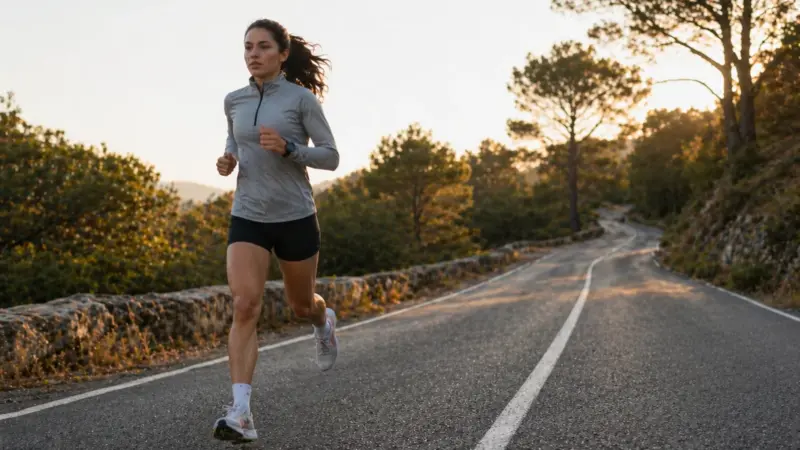
Early in a training cycle, running often feels uneven as the body readjusts. Introducing short intervals early helps smooth transitions b...

The initial phase of endurance training often emphasizes steady running, delaying faster efforts until a base is built. However, early in...

Lactate is often blamed for fatigue and slowing in running, but this is a misconception. It is continuously produced and recycled as a vi...

Distance runners typically train on varied terrain, which affects rhythm and pacing. The track offers a consistent surface and environmen...
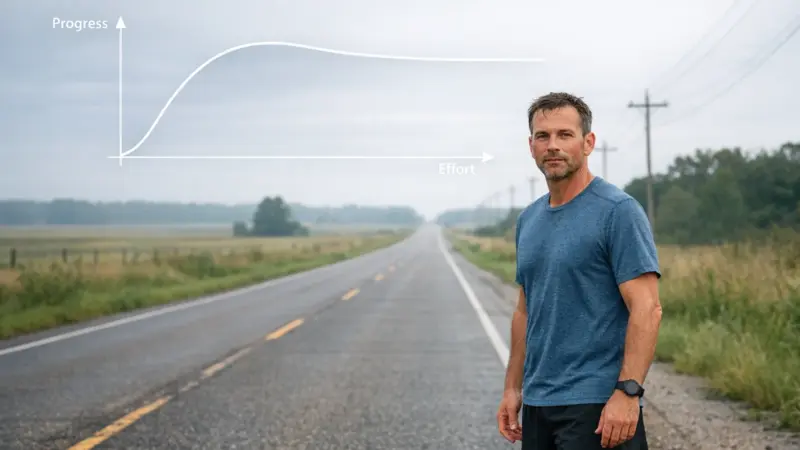
Many runners reach a point where increased training volume and effort no longer lead to better performance. This article explores how the...
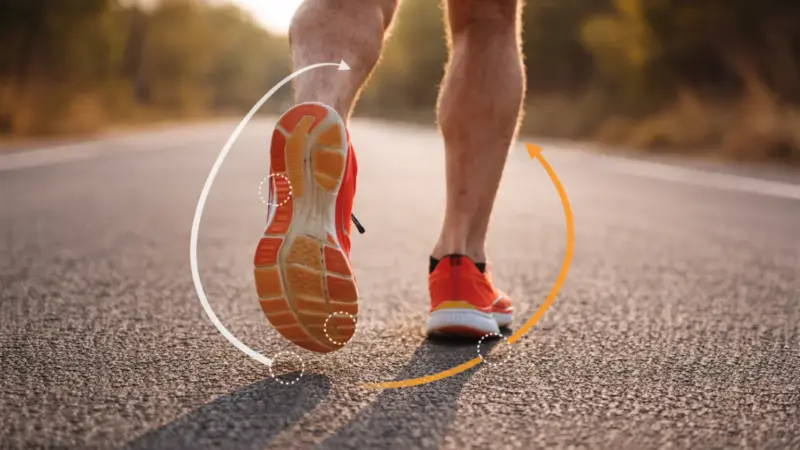
Cadence counts the steps taken per minute while running and reveals movement patterns beyond pace alone. It affects stride length, impact...

Energy crashes in distance running often occur earlier than expected, causing brief disorientation and pace drops. These events stem from...
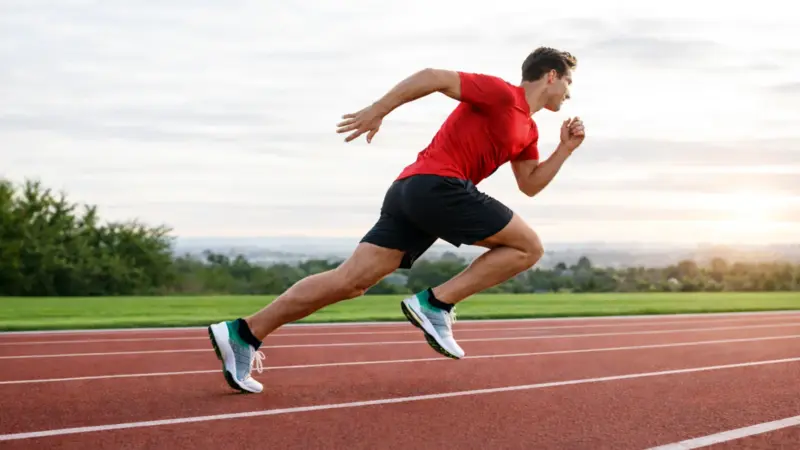
Conventional wisdom suggests starting training cycles with easy miles to build aerobic fitness and reduce injury risk. Yet some runners i...