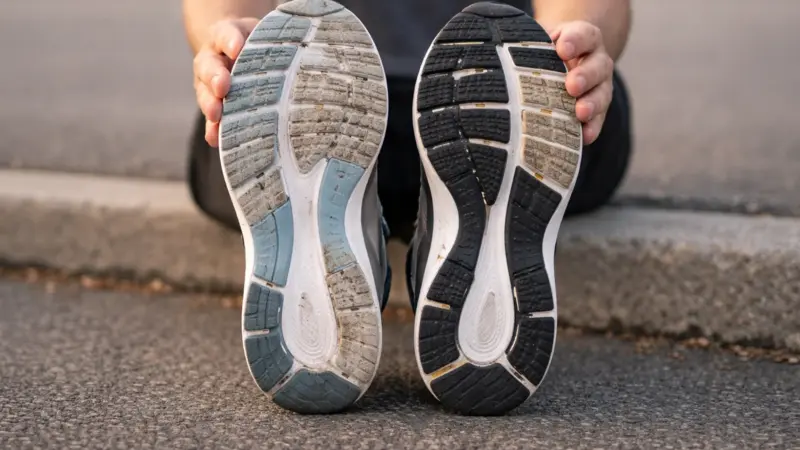
How to Build a Simple Running Shoe Rotation
Shoe rotation can sound more complicated than it needs to be. Multiple models, different categories, changing technologies. It is easy to assume that building a rotation requires expertise or a growing collection of shoes.
In practice, it is much simpler.
A good rotation is not about variety for its own sake. It is about giving your body slightly different inputs across the week, while keeping training consistent and manageable.
For most runners, that starts with just two pairs.
Start With What You Already Have
The easiest way to build a rotation is not to buy two new shoes at once. It is to add one.
Most runners already have a daily trainer. When that shoe begins to age, the natural instinct is to replace it. Instead, it can become the first step in a rotation.
The new pair becomes the primary shoe.
The older pair stays in use, but in a reduced role.
This creates variation immediately, without forcing a major change in how you run.
The Two-Shoe Foundation
A simple rotation usually comes down to two roles.
One shoe acts as the daily trainer. It handles most of your mileage, including easy runs and long runs. It should feel stable, comfortable, and predictable.
The other is slightly lighter or more responsive. It is used for faster sessions, such as tempo runs, intervals, or progression efforts. It typically feels more agile, with less cushioning or a more dynamic response.
The difference between the two does not need to be extreme. Subtle differences are often more effective. The goal is not contrast for its own sake, but variation that your body can absorb without disruption.
Let Training Guide the Rotation
The structure of your training week should determine how you use each shoe.
Easy runs and long runs tend to favor the daily trainer, where comfort and consistency matter most. Faster sessions benefit from a shoe that encourages quicker turnover and more responsive ground contact.
Recovery runs often return to the softer, more forgiving option.
Instead of assigning strict rules, it helps to think in terms of intent. Each run asks for something slightly different. The shoe should match that demand.
Avoid Overlapping Roles
One common mistake is choosing shoes that feel too similar.
If both pairs have nearly identical cushioning, geometry, and ride, the rotation adds little value. The body is exposed to the same loading pattern, only in a different form.
A useful rotation introduces small but noticeable differences:
- one shoe slightly firmer, the other more cushioned
- one more stable, the other more flexible
- one encouraging longer contact, the other quicker turnover
These differences do not need to be dramatic. They just need to be meaningful enough to shift how load is distributed.
Transition Gradually
Even small changes in footwear alter how forces move through the body.
A lower-drop shoe, for example, increases demand on the calves and Achilles. A firmer shoe changes how impact is absorbed. These shifts are not problematic on their own, but they require adaptation.
The safest approach is gradual:
- use the new shoe for shorter or less demanding runs first
- increase its role over a few weeks
- pay attention to how specific areas of the body respond
Adaptation happens quietly. Giving it time reduces the risk of irritation.
When a Third Shoe Makes Sense
A third pair becomes useful when training or environment adds another layer of demand.
This can happen with trail running, where grip and stability matter, or during very soft recovery days where maximum cushioning feels beneficial. It can also appear in race-specific sessions, where a lighter or more specialized shoe is appropriate.
This is not a requirement. Many runners train effectively with two shoes for years. The third shoe becomes relevant when training becomes more specific or conditions vary more.
Keep the Rotation Simple
It is easy to overbuild a rotation. More shoes can feel like more control, but they often introduce confusion.
A simple structure is easier to maintain: one primary shoe, one complementary shoe, and an optional third only when it serves a clear purpose.
Consistency in training matters more than variety in footwear. The goal is to support training, not complicate it.
Pay Attention to Wear, Not Mileage Alone
Runners often rely on mileage ranges, such as 300 to 500 miles, as a guideline for replacing shoes. That range is useful, but it is not exact.
What matters more is how the shoe feels relative to runs that used to feel familiar.
Cushioning may become flat or unresponsive. Impact may feel sharper than usual. Legs may feel unusually fatigued after routine efforts.
In a rotation, these changes often appear more gradually, which can make them harder to notice. Paying attention to feel is more reliable than tracking numbers alone.
Rotation as a Quiet Adjustment
Shoe rotation does not transform training overnight. The effects are subtle.
What it does is introduce small shifts in how stress is applied and absorbed. It reduces the repetition of identical loading patterns. It gives materials time to recover. It aligns footwear more closely with the demands of each run.
None of these changes are dramatic on their own. But over weeks and months, they accumulate.
And in distance running, it is not the individual session that matters most. It is what you can repeat, consistently, without interruption. That is what a simple rotation supports.