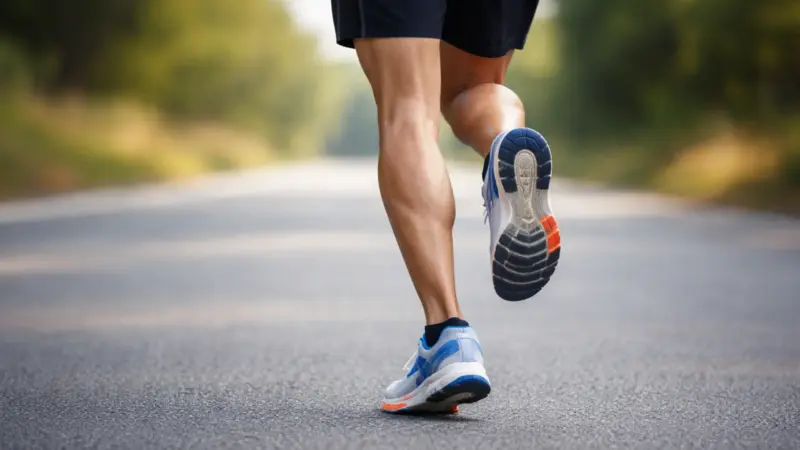
Cadence Basics: What That Number Really Means
Cadence is one of the simplest metrics in running, and one of the most misunderstood.
At its core, it is just the number of steps you take per minute. Most watches display it automatically. Many runners see the number, but rarely think about what it represents.
Yet cadence reflects how you move, how you absorb impact, and how efficiently you carry momentum forward. Understanding it does not mean changing it. It means interpreting it correctly.
What Cadence Actually Measures
Cadence is measured in steps per minute. If your watch shows 168, it means your feet contact the ground 168 times per minute combined. It does not measure speed or fitness. It does not indicate talent. It measures rhythm.
And that rhythm shapes how your stride unfolds, how long each step is, where the foot lands, and how long you stay in contact with the ground. Cadence is not performance. It is a window into movement.
What Is “Normal” Cadence?
There is no universal number. Most recreational runners fall somewhere between 160 and 175 steps per minute at an easy pace. Faster runners often sit higher, especially as pace increases. Cadence naturally rises with speed.
The commonly cited 180 steps per minute comes from observations of elite runners during races. It is not a rule, and it is not a target.
A more useful question is: Does your cadence support balanced, repeatable movement?
Why Cadence Influences Efficiency
Cadence affects how force is applied with each step.
At very low cadences, stride length tends to increase. The foot often lands farther in front of the body, creating a braking effect. Each step slightly slows you down before you push forward again.
A slightly quicker cadence shortens the stride just enough to bring contact closer to your center of mass. This reduces braking forces and can lower stress on the knees.
Biomechanical research shows that even small increases in cadence can shift how load is distributed. Often, this reduces stress at the knee while increasing demand on the calf and ankle.
Nothing is removed. The load is simply redistributed. The goal is not faster steps. It is smoother force distribution.
Observing Your Cadence
Most runners encounter cadence through a watch or app. The number appears automatically, often without context.
Before thinking about change, it is more useful to observe:
How stable is your cadence during easy runs?
Does it drift late in longer efforts?
Does it rise naturally when pace increases?
Patterns matter more than isolated numbers. On steady terrain, cadence tends to be consistent. On trails or uneven ground, it fluctuates naturally and becomes less meaningful.
Should You Try to Change It?
Not by default. Cadence reflects your current mechanics, body structure, and running background. For many runners, it does not need adjustment.
It may be worth exploring small changes if you notice:
- frequent overstriding
- persistent knee discomfort
- a heavy braking sensation
- unusually low cadence at moderate effort
If you experiment, changes should be gradual. Even a small increase is enough to alter how forces move through the body.
The sensation to look for is not speed, but lightness. Steps feel quicker, but also quieter and more controlled.
Cadence as Feedback
Cadence works best as a form of feedback. It shows how your movement holds together as conditions change, as pace increases, as fatigue accumulates.
Instead of chasing a number, it is more useful to notice relationships:
Does cadence drop when form deteriorates?
Does it stay stable when effort is well controlled?
Does smoother running coincide with a slightly quicker rhythm?
These patterns reveal more than any single target.
The Role of Rhythm
Cadence is, at its core, rhythm. When that rhythm aligns with balanced mechanics and sustainable effort, running feels smoother. Less forced. More continuous.
When it drifts too far in either direction, movement becomes harder to maintain. The number on your watch reflects that rhythm. But it is not the goal. The movement behind it is.